
Warehouse Floor Damage & Repair Solutions SA
Warehouse Floor Damage and Repair Techniques in South Africa
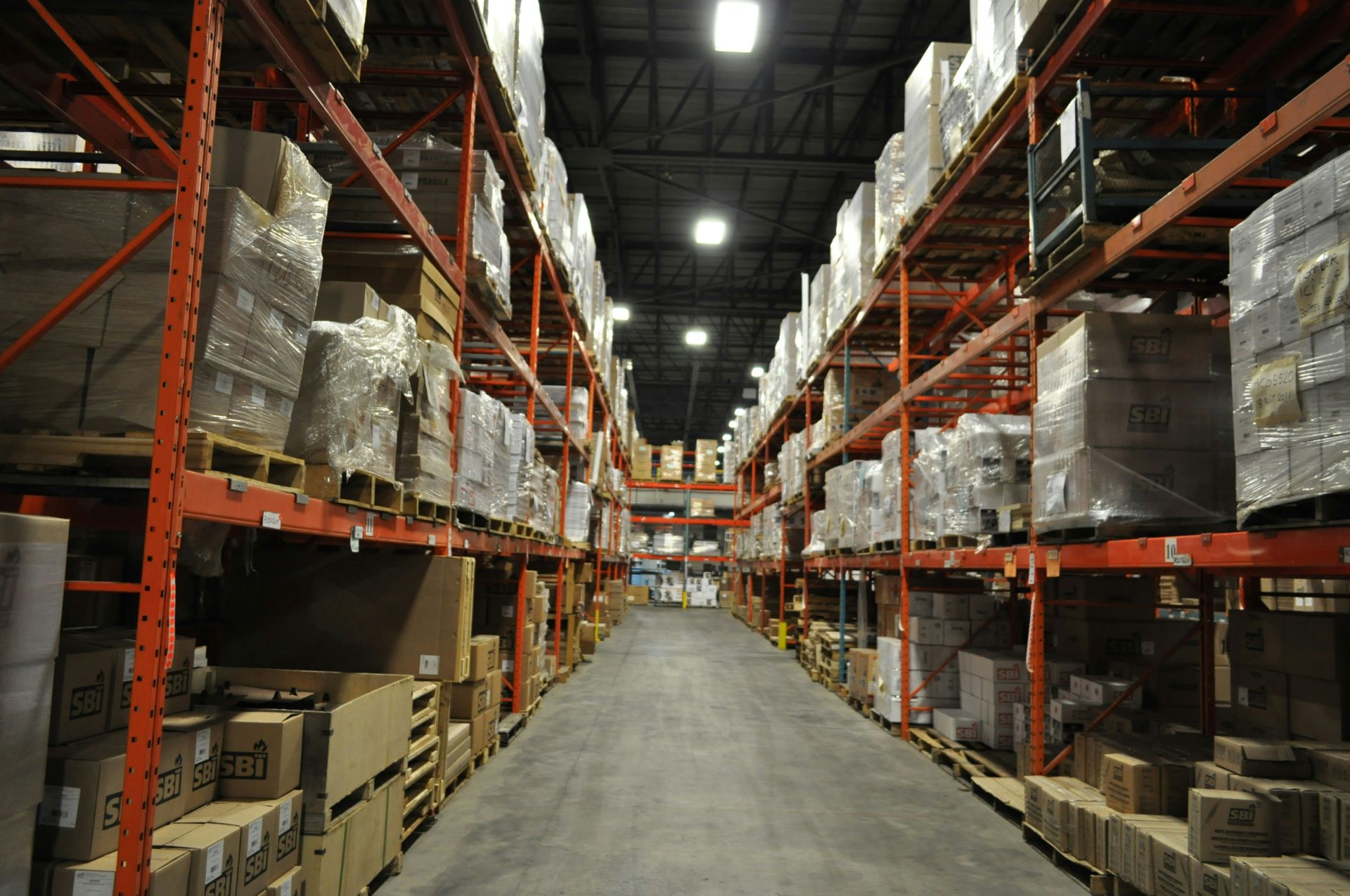
Warehouse floors in South Africa operate under some of the most demanding conditions in the built environment. From high-volume logistics hubs in Gauteng to coastal distribution centres exposed to moisture and temperature swings, these slabs are constantly under pressure. Heavy forklifts, pallet jacks, racking systems, and continuous loading cycles all combine to accelerate wear far beyond typical commercial flooring conditions.
The result is a predictable but costly cycle: surface degradation, structural distress, operational inefficiency, and eventually full or partial rehabilitation. Understanding the mechanisms of damage and the repair techniques available is essential for maintaining safe, productive industrial spaces.
The Reality of Industrial Floor Loading
Warehouse floors are engineered as reinforced concrete slabs designed to distribute heavy loads across a prepared subbase. In theory, they should perform reliably for decades. In practice, operational realities often push these systems beyond their design assumptions.
In South Africa, logistics operators frequently increase storage density without corresponding upgrades to slab capacity. Forklifts become heavier, rack systems are extended vertically, and traffic frequency intensifies. Each of these changes increases stress concentration on the slab.
Unlike static building components, warehouse floors are dynamic systems. Every wheel pass introduces fatigue loading. Over time, this leads to micro-cracking that slowly develops into visible distress.
Common Causes of Warehouse Floor Deterioration
Warehouse floor damage rarely has a single cause. Instead, it is the cumulative result of design limitations, construction variables, and operational misuse.
One of the most significant contributors is excessive point loading. When heavy racking legs or concentrated wheel loads exceed the slab’s design capacity, localized crushing begins at the surface and propagates downward.
Poor subgrade preparation is another critical factor. In many industrial developments, time pressures during construction lead to insufficient compaction of the base layer. This creates voids beneath the slab, allowing sections to flex under load and eventually crack.
Moisture ingress is also a persistent issue in South Africa’s varied climate zones. In coastal regions such as Durban, humidity and groundwater exposure can lead to reinforcement corrosion. As steel expands, it exerts internal pressure on the concrete, causing spalling and delamination.
Thermal movement adds another layer of stress. Large warehouse footprints expand and contract daily. Without properly designed joints, this movement manifests as random cracking across the slab surface.
The Impact of Heavy Vehicle Traffic
Heavy vehicle traffic remains the most direct and visible cause of warehouse floor deterioration. Forklifts, reach trucks, and loading vehicles repeatedly apply rolling loads that fatigue the concrete surface.
Over time, this results in a range of surface defects. Dusting occurs when the upper cement paste breaks down, releasing fine particles that affect air quality and equipment performance. Rutting develops along high-traffic paths, creating uneven surfaces that increase mechanical strain on vehicles.
Impact damage is also common in loading bays. Dropped pallets, container edges, and abrupt braking forces create localized crushing that spreads outward in radial cracking patterns.
In South African logistics hubs where shift operations run continuously, these stresses accumulate rapidly. A floor that might last twenty years under moderate use can show significant wear in less than five under intensive operations.
Identifying Early Warning Signs of Floor Failure
Early detection of floor distress is critical to avoiding expensive structural rehabilitation. Most warehouse floors provide visible warning signs long before catastrophic failure occurs.
Hairline cracks are often the first indicator. While small cracks may appear harmless, they frequently signal deeper structural movement beneath the surface.
Surface powdering or dusting suggests that the concrete has lost its upper integrity. This often results from poor curing practices or long-term abrasion.
Joint edge breakdown is another common symptom. When saw-cut or formed joints begin to spall, it indicates that load transfer between slab sections is weakening.
In more advanced cases, slab rocking or vertical displacement can be observed. This typically points to voids beneath the slab or subgrade failure.
Structural Mechanisms Behind Floor Damage
To effectively repair warehouse floors, it is important to understand how failure develops at a structural level.
Concrete slabs rely on composite action between reinforcement steel and hardened cement matrix. When micro-cracks form, this bond begins to degrade. As cracks widen, load distribution becomes uneven, concentrating stress in localized areas.
Subbase failure further compounds the issue. When the supporting soil or fill material loses compaction, the slab effectively becomes a suspended plate rather than a supported system. This increases bending stress and accelerates cracking.
Reinforcement corrosion introduces another failure pathway. Once moisture and oxygen reach steel bars, oxidation begins. Rust expands in volume, exerting internal pressure that fractures surrounding concrete.
These mechanisms rarely act in isolation. In most industrial floors, multiple failure processes occur simultaneously, creating complex damage patterns.
Industrial Floor Repair Philosophy
Effective warehouse floor repair is not simply about patching visible damage. It requires a systemic approach that addresses both surface symptoms and underlying causes.
The primary objective is to restore load-bearing capacity while improving resistance to future wear. This often involves combining structural repair with surface strengthening and traffic management adjustments.
In South Africa’s industrial sector, downtime is a critical cost factor. As a result, repair strategies are typically designed to minimize operational disruption while maximizing long-term durability.
Crack Repair Through Epoxy Injection
Epoxy injection remains one of the most effective methods for restoring structural integrity in cracked concrete slabs. The process involves injecting low-viscosity epoxy resin into cracks under pressure, bonding the fractured sections back together.
This technique is particularly effective for non-moving structural cracks. Once cured, the epoxy restores load transfer across the crack line, effectively re-establishing slab continuity.
In warehouse environments, epoxy injection is often used in combination with surface sealing to prevent future moisture ingress. This is especially important in humid regions where corrosion risk is high.
However, epoxy injection is not suitable for actively moving joints or areas with ongoing subgrade instability. In such cases, additional stabilization measures are required before repair can be effective.
Slab Stabilisation and Void Filling Techniques
When warehouse floors exhibit movement or rocking, the underlying issue is often void formation beneath the slab. These voids can develop due to soil erosion, poor compaction, or water ingress.
Void filling techniques such as pressure grouting are commonly used to restore support. Cementitious or polyurethane grouts are injected beneath the slab to fill empty spaces and re-establish uniform load distribution.
Once voids are eliminated, slab movement is significantly reduced. This helps prevent further cracking and extends the service life of the floor.
In South African logistics facilities, where heavy racking systems depend on precise floor flatness, void stabilization is often a critical maintenance intervention.
Joint Repair and Load Transfer Restoration
Construction joints and saw-cut joints are essential for controlling cracking in large concrete slabs. However, they are also common failure points in warehouse floors.
When joint edges break down, forklifts experience impact loading as wheels drop into gaps. This accelerates deterioration and increases maintenance costs.
Joint repair typically involves removing damaged concrete, rebuilding edges with high-strength repair mortars, and installing load transfer systems such as dowels or armoured joint profiles.
Properly repaired joints restore smooth wheel movement and reduce dynamic impact forces. This not only protects the floor but also improves operational efficiency.
Surface Resurfacing and Grinding Solutions
When surface wear becomes widespread, localized repairs may no longer be sufficient. In such cases, resurfacing or grinding techniques are used to restore floor performance.
Diamond grinding is commonly applied to remove uneven surfaces and improve flatness. This process also eliminates minor surface defects and prepares the slab for protective coatings.
In more severe cases, polymer-modified resurfacing systems are applied to create a new wearing layer. These systems bond directly to the existing concrete, providing improved abrasion resistance and chemical protection.
Resurfacing is particularly valuable in high-traffic warehouses where continuous forklift movement has created extensive wear patterns.
Industrial Floor Hardening and Surface Protection
To extend the lifespan of repaired warehouse floors, surface hardening treatments are often applied. Lithium silicate densifiers are commonly used in South Africa to chemically react with free lime in concrete, producing a harder and more abrasion-resistant surface.
These treatments reduce dusting, improve surface density, and enhance resistance to forklift traffic.
Protective coatings such as epoxy or polyurethane systems are also used in environments where chemical exposure or moisture ingress is a concern. These coatings create a barrier that prevents surface degradation and simplifies cleaning.
The Role of Preventative Maintenance
Preventative maintenance is often overlooked in warehouse floor management, yet it plays a critical role in reducing long-term repair costs.
Regular inspections allow early identification of cracks, joint wear, and surface degradation. Small interventions at this stage are significantly more cost-effective than structural repairs later.
Traffic management is another important aspect. By controlling forklift routes and distributing load paths evenly, operators can significantly reduce concentrated wear zones.
In South African industrial environments, where operational efficiency is closely tied to logistics throughput, preventative maintenance is increasingly seen as a strategic investment rather than a reactive expense.
Environmental Factors in South African Warehouses
South Africa’s diverse climate introduces additional complexity to warehouse floor performance. Inland regions such as Gauteng experience large daily temperature variations, which contribute to thermal expansion and contraction stresses.
Coastal regions face higher humidity and salt exposure, increasing the risk of reinforcement corrosion. Industrial facilities near ports are particularly vulnerable due to constant exposure to moisture-laden air.
These environmental factors must be considered when selecting repair materials and maintenance strategies. A solution that performs well inland may not provide the same durability in coastal conditions.
Integrating Repair with Operational Continuity
One of the biggest challenges in industrial floor maintenance is balancing repair work with ongoing operations. Warehouses cannot simply shut down for extended periods, especially in high-demand logistics sectors.
As a result, repair methodologies are often staged or phased. Work is carried out in sections to allow partial operation of the facility.
Fast-curing materials are frequently used to minimize downtime. Rapid-setting mortars and resins allow repaired areas to return to service within hours rather than days.
This integration of engineering and operational planning is essential for maintaining productivity during maintenance cycles.
Long-Term Performance Optimisation
Warehouse floor repair should always be viewed as part of a broader performance optimisation strategy. Simply restoring the surface is not enough. The goal is to enhance durability, improve load distribution, and reduce future maintenance frequency.
This often involves combining structural repair with improved design of traffic flow, upgraded surface treatments, and better load management practices.
Over time, this holistic approach significantly reduces lifecycle costs while improving safety and operational efficiency.
Warehouse floor damage in South Africa is an inevitable consequence of intensive industrial use, environmental stress, and evolving operational demands. However, with the correct understanding of failure mechanisms and repair techniques, these challenges can be effectively managed.
From epoxy crack injection to slab stabilisation and surface hardening, modern industrial maintenance solutions offer a comprehensive toolkit for restoring and enhancing warehouse floors.
The key lies not in reacting to damage, but in anticipating it, addressing underlying causes, and implementing structured maintenance strategies that extend the life of critical industrial infrastructure.